Effective drainage is essential in commercial properties to mitigate the risks associated with water damage. Poorly managed water can lead to structural deterioration, mold proliferation, and pest infestations. By implementing systematic drainage solutions, businesses can channel excess water away from foundations. Understanding how these systems operate and their fundamental components is important for safeguarding property integrity. The following exploration will outline the significant aspects of drainage management and its impact on commercial property durability.
Key Takeaways
- Proper drainage channels water away from foundations, preventing erosion and structural damage.
- Efficient systems reduce water accumulation, minimizing mold growth and pest infestations.
- Regular maintenance ensures drains function effectively, preventing costly water infiltration and repairs.
- Utilizing permeable surfaces aids natural water absorption, reducing runoff and flooding risks.
- Effective drainage extends the lifespan of critical building components, safeguarding long-term investments.
How Poor Drainage Leads to Water Damage in Commercial Properties?
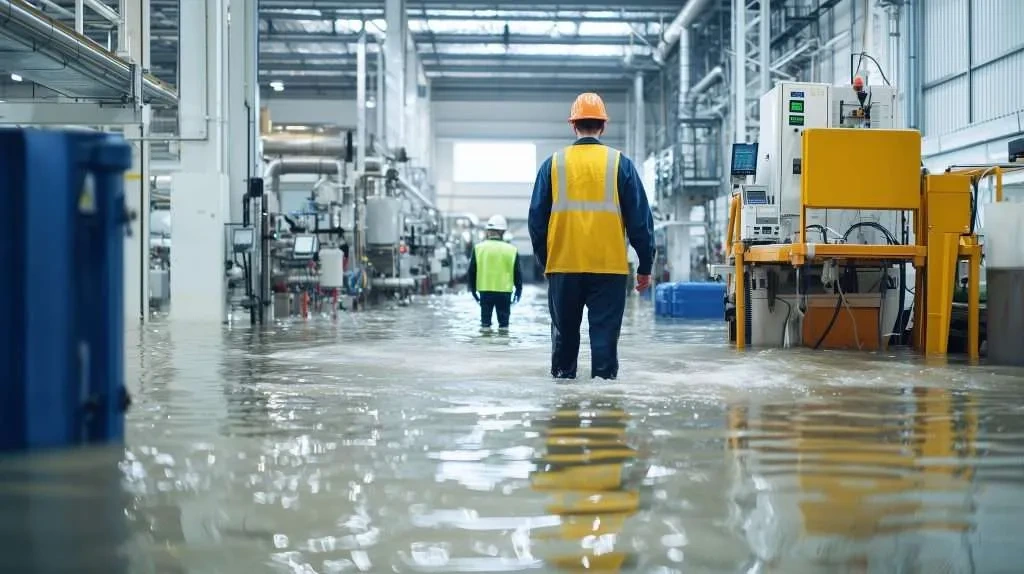
In many commercial properties, inadequate drainage systems can greatly compromise structural integrity and lead to extensive water damage. Poor drainage allows water to accumulate around foundations, which can result in erosion, mold growth, and structural instability. Additionally, stagnant water creates ideal conditions for pests, further complicating property management. Without efficient drainage, water infiltrates walls and floors, damaging insulation and electrical systems. This not only incurs significant repair costs but also disrupts business operations, potentially leading to financial losses. Understanding the essential role of proper drainage is crucial for property owners who seek to prevent water damage in commercial properties. Consequently, investing in effective drainage solutions is imperative for safeguarding assets and ensuring long-term sustainability.
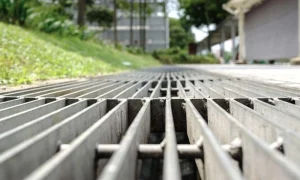
How Proper Drainage Prevents Water Damage in Commercial Properties
Effective drainage systems play a pivotal role in safeguarding commercial properties from water damage. Proper drainage mitigates risks by efficiently managing excess water, which can lead to structural issues and costly repairs. The following factors illustrate how drainage can prevent water damage in commercial properties:
- Redirecting Water Flow: Effective systems channel water away from building foundations, reducing the likelihood of flooding and erosion.
- Minimizing Soil Saturation: Proper drainage prevents the saturation of surrounding soil, which can compromise stability and lead to structural failure.
- Enhancing Longevity of Infrastructure: By preventing moisture accumulation, effective drainage systems extend the lifespan of roofing, walls, and other critical components, ensuring the integrity of commercial structures.
Essential Elements for an Effective Drainage System
To guarantee peak performance, several vital elements must be integrated into an effective drainage system. First, proper grading guarantees water flows away from the building foundation, minimizing pooling. Second, high-quality materials, such as durable pipes and filters, enhance longevity and efficiency. Third, strategically placed catch basins capture surface water, preventing overflow. Additionally, incorporating permeable surfaces allows for natural water absorption, reducing runoff. Effective downspouts and gutters channel rainwater away from structures, further preventing erosion and water intrusion. Finally, the integration of drainage outlets is essential for directing water safely into designated areas, mitigating flood risks. Together, these elements form a thorough drainage system that works to effectively manage drainage and prevent water damage in commercial properties.
The Role of Regular Maintenance in Preventing Water Damage
Regular maintenance plays a pivotal role in the longevity and efficiency of drainage systems, directly impacting the prevention of water damage in commercial properties. By ensuring that drainage systems function at their best, property owners mitigate risks associated with water accumulation.
Key maintenance practices include:
- Regular Inspections: Frequent assessments of drains and gutters to identify blockages or deterioration.
- Debris Removal: Clearing leaves, dirt, and other obstructions that can impede proper water flow.
- System Repairs: Promptly addressing any leaks or damage to maintain system integrity.
Implementing these maintenance strategies enhances the overall effectiveness of drainage solutions, thereby greatly reducing the likelihood of water damage in commercial properties. Prioritizing these actions fosters a safe and secure environment for business operations.
Best Practices for Implementing Effective Drainage Solutions
Implementing effective drainage solutions requires a systematic approach that prioritizes both design and functionality. Key practices include conducting thorough site assessments to identify water flow patterns and potential problem areas. Proper grading of the landscape guarantees water drains away from the property, while the installation of gutters and downspouts directs rainfall efficiently. Utilizing permeable paving materials can facilitate water absorption, further mitigating runoff. Regular inspections and maintenance of drainage systems are essential to confirm their efficacy over time. Additionally, incorporating bioswales or rain gardens can enhance natural filtration processes. By adhering to these best practices, commercial properties can notably reduce the risk of flooding, thereby reinforcing the critical link between effective drainage and preventing water damage in commercial properties.
Frequently Asked Questions
How Can Landscaping Affect Drainage Systems in Commercial Properties?
Landscaping greatly influences drainage systems in commercial properties by altering water flow patterns, affecting soil absorption rates, and potentially obstructing drainage pathways. Properly designed landscaping guarantees effective drainage and minimizes the risk of water damage in commercial properties.
What Are the Signs of Inadequate Drainage in Commercial Buildings?
Signs of inadequate drainage in commercial buildings include water pooling, foundation cracks, mold growth, and unpleasant odors. These indicators signal potential water damage, emphasizing the need for effective drainage to prevent costly repairs and maintain structural integrity.
How Do Drainage Issues Impact Insurance Claims for Water Damage?
Drainage issues greatly complicate insurance claims for water damage, as insurers often scrutinize property maintenance. Insufficient drainage can imply negligence, leading to claim denials and financial repercussions for commercial property owners reliant on extensive coverage.
Can Improper Drainage Lead to Mold Growth in Commercial Spaces?
Improper drainage can indeed lead to mold growth in commercial spaces. Accumulated moisture fosters an environment conducive to mold, potentially compromising indoor air quality and posing health risks, while also affecting property value and operational efficiency.
What Regulations Govern Drainage Systems in Commercial Properties?
Regulations governing drainage systems in commercial properties include local building codes, environmental standards, and health regulations. These guidelines guarantee effective drainage management, minimizing risks associated with water accumulation and promoting overall safety within commercial environments.
Conclusion
In conclusion, effective drainage systems are vital for mitigating water damage in commercial properties. By addressing the underlying issues associated with poor drainage, businesses can protect their structural integrity and prevent costly repairs. Implementing essential drainage elements, coupled with regular maintenance, not only safeguards the property but also enhances its longevity. Adhering to best practices in drainage management ultimately guarantees a resilient and sustainable environment, reducing the risk of water-related complications.
You May Also Like To Read: